

Cheap rubbish collection Holland Park shops Kensington High Street
Posted on 05/06/2026
If you run a shop near Kensington High Street or manage a retail unit close to Holland Park, rubbish has a funny habit of building up when you are busiest. Cardboard boxes stack up behind the till, packaging fills the back room, old display fixtures get in the way, and suddenly the bin area looks like it needs a holiday. Cheap rubbish collection Holland Park shops Kensington High Street is not just about saving money; it is about keeping the premises tidy, safe, and workable without turning waste removal into a daily headache.
The good news? With the right collection plan, local shops can clear waste quickly, stay presentable for customers, and avoid paying for more than they actually need. In this guide, we will look at how shop rubbish collection works, what makes it affordable, what to watch out for, and how to choose the most practical option for your business. Nothing fluffy. Just the stuff that helps in the real world.

Why Cheap rubbish collection Holland Park shops Kensington High Street Matters
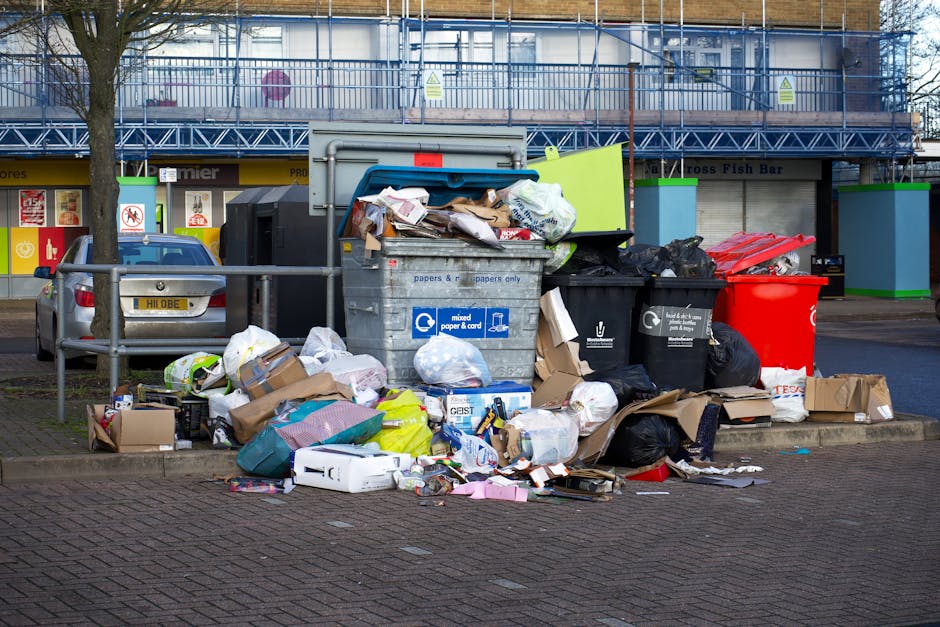
Retail waste is not glamorous, but it directly affects how a shop feels to customers and staff. A cluttered stockroom, overflowing packaging, or a pile of broken fixtures can make even a well-run shop feel disorganised. Near Kensington High Street, where presentation matters and footfall can shift quickly, that visual impression counts more than people sometimes admit.
Cheap rubbish collection matters because retail businesses usually generate waste in uneven bursts. One week may be quiet, then a delivery cycle, seasonal change, or refit creates a rush of cardboard, polystyrene, hangers, packaging film, and old shelving. If you rely only on ad hoc council bins, it can become awkward very quickly. If you overbook collection capacity, you end up paying for air. Neither is ideal.
There is also a practical side. Waste left too long can attract smells, trip hazards, pests, and staff frustration. You know the scene: a cardboard tower by the fire exit, someone trying to squeeze past with a trolley, and everyone pretending it is fine when it very much is not. Faster, cheaper collection helps avoid that sort of nonsense.
If your business also handles larger clear-outs, it can help to understand the broader service options on the site, including the full services overview and more focused options like office clearance in Holland Park and rubbish collection in Holland Park.
How Cheap rubbish collection Holland Park shops Kensington High Street Works
For most shops, rubbish collection is arranged around volume, type of waste, access, and timing. That is the short version. The longer version is a bit more useful.
First, the collector will usually assess what needs removing. Retail waste is often mixed: cardboard, broken fixtures, old stock packaging, general bagged waste, and sometimes bulky items such as shelving, mannequins, or display units. The cleaner the load is separated, the easier it is to price sensibly. Mixed loads can still be collected, of course, but clarity helps keep costs down.
Second, access matters. Is the shop on a busy parade? Is there rear access? Can a vehicle stop nearby, or will the team need to carry items through a narrow entrance? In Kensington and Holland Park, that detail can change the plan quite a lot. A short walk from the door is one thing; a tricky basement stockroom with a narrow staircase is another story.
Third, timing matters. Early morning collections, late closing-hour pickups, and same-day responses can be very convenient for traders who do not want to interrupt customers. If a post-delivery pile-up happens at short notice, it may be worth reading some practical same-day rubbish removal tips for W11 to understand how urgent collections are usually handled.
Finally, there is disposal and sorting. A reputable service should separate recyclable materials where possible and handle disposal responsibly. For businesses that want to keep waste management simple, that is one of the main reasons a local collection partner can be more efficient than trying to do everything in-house.
Key Benefits and Practical Advantages
There are a few clear reasons shop owners keep coming back to professional rubbish collection rather than trying to muddle through with occasional DIY trips to the tip. Some are obvious; some only become obvious after a bad week.
- Lower clutter levels: A tidy shop floor and back room make daily work easier and reduce stress.
- Better customer impression: Even if customers never see the waste, the overall feel of the premises improves when the building is organised.
- Time savings: Staff can focus on stock, service, and sales rather than hauling packaging around.
- Flexible collection sizes: You can often book around the amount of waste you actually have instead of paying for a fixed oversized bin.
- Safer workspace: Less mess means fewer obstructions in back-of-house areas and escape routes.
- More predictable costs: When pricing is clear, you can budget with less guesswork. Very handy, frankly.
There is another benefit that is easy to miss: psychological relief. Once waste stops hanging around, staff stop working around it. That sounds small, but it changes the rhythm of a busy retail day. Things just flow better.
For shops that regularly receive deliveries or undertake fit-outs, the ability to book specialist collections is especially useful. A business replacing fixtures after a refit may need help with furniture disposal in Holland Park or even builders waste disposal in Holland Park if trades and refurbishment debris are involved.
Who This Is For and When It Makes Sense
Cheap rubbish collection is not only for big stores. In fact, smaller shops often feel the pinch more because they do not have spare storage space. A small boutique, convenience store, cafe retail counter, salon, gallery shop, or pop-up unit can all benefit from a smarter waste plan.
It usually makes sense if you are dealing with any of the following:
- regular cardboard and packaging from deliveries
- old stock, damaged goods, or seasonal clearance waste
- broken chairs, shelving, counters, or display pieces
- back-room clutter that keeps creeping into customer space
- pre-refit or post-refit debris
- store openings, closures, or tenant changes
It is also useful for landlords and managing agents who need a unit cleared between occupiers. If that sounds familiar, a broader house clearance in Holland Park or loft clearance in Holland Park may be relevant in mixed-use buildings where storage areas have quietly become a dumping ground. It happens more often than people like to admit.
And if you are simply trying to keep overheads sensible while staying on top of waste, a local collection plan is often a better fit than letting things build up and then paying for an emergency clean-out. That last-minute scramble tends to cost more. It always does, somehow.
Step-by-Step Guidance
If you want to keep the process cheap, tidy, and low-stress, a bit of preparation goes a long way. Here is a practical way to approach it.
- Sort the waste by type. Separate cardboard, general rubbish, reusable fixtures, and bulky items where possible. This makes quoting easier.
- Estimate the volume honestly. Try not to understate it. A couple of extra bags can change the load more than you think.
- Check access and timing. Note whether collection can happen before opening, after closing, or during a quiet hour.
- Identify any fragile or awkward items. Glass display units, sharp fittings, and heavy shelving need clear handling notes.
- Ask what is included. Labour, loading, disposal, and recycling treatment should be clear before booking.
- Arrange a collection window. The smoother the handover, the less disruption to trading.
- Keep your paperwork. For business waste, records matter. Not exciting, but useful.
A small shop with a single rear access point might only need one quick pickup. A larger store on Kensington High Street could need staged removal over several hours, especially if customers are still coming and going. The right service should adapt to that, not force your business to adapt to a rigid schedule.
For shop owners comparing services, it is worth reviewing pricing and quotes before deciding. Transparent pricing is one of the easiest ways to spot whether a provider is genuinely cost-conscious or just using the word "cheap" as a marketing sticker.
Expert Tips for Better Results
Here is the part where a little experience saves you money.
1. Flatten cardboard before collection. It sounds basic, but cardboard volume can drop dramatically once it is broken down. That can make a noticeable difference to the load size.
2. Keep recyclable material separate. Even if the service can take mixed waste, sorted loads are usually simpler to handle and easier to explain.
3. Book before the pile becomes a problem. If your storage area is already tight, waiting another week is rarely wise. You will only lose flexibility.
4. Photograph the waste if the collection is remote or the shop manager is not on site. It helps avoid awkward surprises. A quick phone picture can save a lot of back-and-forth.
5. Plan around delivery days and busy retail hours. If your cardboard arrives on Tuesday morning, do not book collection for Wednesday afternoon and hope for the best. Sometimes it works, sometimes not.
6. Think beyond the obvious rubbish. Broken hangers, offcuts, old signage, failed marketing materials, and redundant point-of-sale displays all add up. Shops rarely have "just a bit" of waste. It always turns out to be more.
If sustainability matters to your business values, take a look at recycling and sustainability practices. Even a small shift toward better sorting can make retail waste management feel more responsible and more organised.
Common Mistakes to Avoid
Cheap rubbish collection can become expensive if the planning is sloppy. A few common mistakes show up again and again.
- Leaving waste unsorted: Mixed loads are harder to assess, and confusion can lead to extra charges.
- Underestimating volume: One van load looks small until you actually start moving it. Then it suddenly grows legs.
- Ignoring access issues: If a team cannot park nearby or carry items safely, collections take longer and can cost more.
- Forgetting business paperwork: Retailers should keep proper waste transfer records where relevant.
- Choosing only on headline price: A very low quote that excludes labour, loading, or disposal is not really cheap.
- Waiting until closing time chaos: It is better to plan a calm pickup than a rushed one.
There is also the "we will sort it later" trap. A box of broken fixtures left in the stockroom for two weeks somehow becomes a permanent resident. It acquires lore. Avoid that.
Tools, Resources and Recommendations
You do not need fancy systems to manage shop waste well. A few simple habits are usually enough.
- Labelled waste sacks or crates: Useful for separating cardboard, general waste, and reusable items.
- A basic collection log: Note what went out, when, and roughly how much. This helps with budgeting.
- Simple storage rules: Decide where packaging is kept and who moves it. Consistency helps a lot.
- Phone photos before pickup: Helpful for quoting and for checking that everything was removed.
- Staff briefing: A 5-minute reminder at shift handover can stop waste from becoming a back-room pile.
For businesses that want to understand the company approach behind the service, the about us page is a good starting point. It gives context on how the service is positioned locally. You can also review insurance and safety information if you want reassurance around handling and workplace protection.
One more practical point: if you accept card or online payments for collection work, make sure the process is straightforward and secure. That sort of detail matters more than people expect. The page on payment and security is worth checking if you are comparing providers.
Law, Compliance, Standards, or Best Practice
Retail waste in the UK is not something to treat casually. You do not need to become a legal expert overnight, but it helps to know the basics.
Businesses are generally expected to manage waste responsibly, use a suitable carrier, and keep appropriate records where required. If you are disposing of commercial waste, you should make sure the collector is operating in a way that fits normal business waste practice. That means clarity on what is being collected, where it is going, and how it is handled.
There is also a broader duty of care principle at work. In plain English: do not hand your waste to someone who cannot clearly explain what they will do with it. Cheap is no bargain if the waste ends up causing trouble later. Avoiding that headache is worth a lot.
Best practice usually includes:
- keeping waste streams as clear as possible
- avoiding contamination of recyclable materials
- recording collections for business files
- making sure waste is handled safely around staff and customers
- using a provider that explains terms clearly
If you are unsure how a service handles its processes, check the published terms and conditions and related policy pages such as the privacy policy and cookie policy. Those pages do not replace good judgement, but they do tell you a lot about how seriously a business takes clarity and compliance.
For businesses that value ethical supply chains and responsible operations, the modern slavery statement can also be a useful trust signal. It is not a waste-specific document, but it says something about organisational standards.
Options, Methods, or Comparison Table
There are a few common ways to handle shop waste near Holland Park and Kensington High Street. The right one depends on how much waste you produce, how quickly it needs removing, and how much disruption you can tolerate.
| Method | Best for | Pros | Trade-offs |
|---|---|---|---|
| Scheduled small-load collection | Regular cardboard, bagged waste, ongoing retail use | Predictable, tidy, easy to budget | Can be less flexible for sudden peaks |
| Ad hoc one-off collection | Clear-outs, seasonal changes, stockroom resets | Useful for occasional spikes and bulky items | Needs decent planning to avoid rush charges |
| Same-day collection | Urgent mess, delivery overflow, time-sensitive removals | Fast relief, minimal disruption | Often costs more than planned collection |
| In-house disposal | Very small amounts of light waste | Flexible if volumes are tiny | Staff time, vehicle use, and inconvenience add up |
For most shops, a hybrid approach works best: a steady routine for everyday packaging, then a separate clearance when the stockroom or sales floor needs a reset. That is usually the sweet spot. Not fancy, just sensible.
Case Study or Real-World Example
Imagine a small independent shop close to Kensington High Street. The team has just come through a seasonal stock changeover. New display units arrived, old shelving came down, cardboard is piled neatly near the rear door, and a broken counter panel is sitting awkwardly by the staff area.
The manager initially thinks it is "only a few things," which is the sort of phrase that causes trouble later. Once everything is grouped together, the load is bigger than expected but still manageable in one collection. The team flattens the cardboard, separates reusable items, and books a collection outside opening hours. Simple enough.
Because the waste was sorted and access was explained properly, the pickup is quick. Staff are not trying to dodge boxes during trading, the back room opens up again, and the shop feels calmer the next morning. No drama. No awkward last-minute arrangements. Just a cleaner space and less pressure on the team.
That is really the point of cheap rubbish collection for shops: not "cheap" in the flimsy sense, but economical because it is well planned. The savings come from avoiding wasted time, unnecessary volume, and reactive clean-ups.
Practical Checklist
Use this before you book a collection. It keeps things tidy and, honestly, saves a bit of back-and-forth.
- Sort waste into cardboard, general rubbish, and bulky items
- Estimate the volume as honestly as you can
- Check if the collection needs to happen before opening or after closing
- Confirm whether there is rear access, side access, or only front access
- Identify heavy, sharp, or fragile items in advance
- Ask what is included in the quote
- Keep a record of the collection for business files
- Make sure staff know where waste should be placed
- Schedule collections before waste spills into customer areas
- Review related business pages if you need broader support, such as waste clearance in Holland Park
If you are in a rush or dealing with an awkward backlog, it may help to review the short guide to same-day rubbish removal in W11. Sometimes speed is the real cost saver, especially in retail.
Conclusion
Cheap rubbish collection Holland Park shops Kensington High Street is really about making waste management fit the pace of your business. When it is done well, the shop feels more professional, staff have more breathing room, and you stop losing time to cardboard, packaging, and bulky clutter that should never have been allowed to hang around for so long.
The best approach is usually straightforward: sort waste early, be honest about volume, choose a service that explains pricing clearly, and keep timing flexible enough to avoid disrupting trade. If your shop is near Holland Park or along Kensington High Street, local knowledge matters too. Access, parking, and opening hours all shape the job more than most people expect.
There is no prize for letting rubbish become part of the decor. Better to stay ahead of it, keep the premises calm, and make waste one less thing to think about.
Get a free quote today and see how much you can save.
And if you want to build a cleaner, more organised routine for your business, start with one small collection. Once the space clears, you will feel the difference straight away. Bit of a relief, really.


 Tipper Van - Rubbish Removal and Waste Disposal Prices in Holland Park, W8
 Luton Van - Rubbish Removal and Waste Disposal Prices in Holland Park, W8

